Nextday Peptides: Coa Library For Study Peptides
Mass spectrometry gauges the molecular mass of chemical substances. In peptide analysis, this strategy helps confirm whether the spotted molecular weight corresponds to the expected peptide structure. Many COAs list the analytical approach used to measure purity or validate identification. These techniques might include chromatographic or spectrometric methods generally utilized in analytical chemistry.The screening approach provides context for just how the reported dimensions were acquired. The Nextday Peptides research peptide COA library provides immediate accessibility to third-party validated Certifications of Analysis for box items across our complete magazine.- In easy terms, HPLC is commonly utilized for purity reporting, while LC-MS can include another layer of identity-focused context.Every peptide batch is supported by logical documentation that shows transparent, reproducible testing requirements which is offered upon demand.At the very same time, a COA must not be treated as a standalone trust fund signal.They sustain the COA with pages that describe just how to read it, what purity suggests, how documentation matches the broader depend on image, and where readers can discover related lab sources.Contact the laboratory directly using contact details gotten independently, not from the COA itself, to verify they did the testing which the results match their records.Recognizing these areas aids scientists interpret the logical data correctly.
Peptides
Purchasers must inspect whether the item page, tag, and COA all align with each other. When the names, batch recommendations, or supporting details do not match, confidence in the documents ends up being weak. A lot or set number aids connect the record to a particular evaluated material. Without that connection, it becomes tougher to determine whether the COA plainly represents the product being referenced. At a high level, it can give one more layer of logical context by assisting identify what exists in the example.HPLC can assist define purity, while LC-MS can include beneficial identity-related context when readily available. HPLC, or High-Performance Liquid Chromatography, is among one of the most typical analytical approaches used Certificate of Analysis in peptide documents. In simple terms, it aids show how much of the sample looks like the major compound compared to other detectable elements in the chromatographic account. This is why HPLC is commonly utilized to report purity percents on a peptide COA. It is very important to understand that a COA is only valuable when it is full, understandable, and connected to the exact item being marketed. A record with missing out on dates, vague methods, or no batch recommendation offers buyers less confidence in the traceability of the product.
Is The Screening Technique Detailed Plainly?
The International Council for Harmonisation (ICH) Q3C guidelines establish acceptable limits for recurring solvents based on their poisoning categories. Class 1 solvents ought to be prevented entirely, Class 2 solvents have details concentration limitations, and Course 3 solvents are thought about less toxic with Reconstitution higher appropriate degrees. TFA, generally made use of in peptide synthesis, typically appears at degrees listed below 1% in appropriately detoxified items.
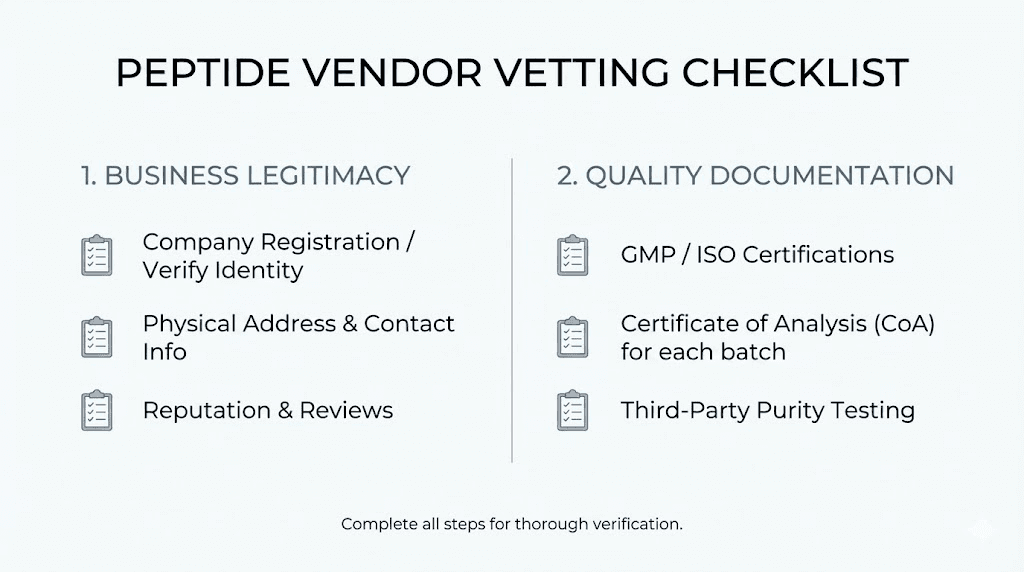
Peptide Certificates Of Evaluation
Introduction of the lab workflow used to validate peptide study compounds with analytical testing and documented certificates of analysis. A peptide CoA aids confirm the item's identity, revealing important details like purity and examination results. This ends up being even more crucial in January, when lots of labs return to full timetables after the vacation break. With study restarting, having correct documentation in position indicates less time double-checking and more time concentrated on the research study itself. A legitimate CoA includes batch-specific data, analytical techniques, chromatograms or ranges, screening days, laboratory certification, and third-party confirmation where applicable. Differences between third-party lab outcomes and reported pureness are normally as a result of variations in logical approach.